The Cottage Cheese Comeback: Why Everyone's Eating It Again (and How to Actually Enjoy It)
Quick Answer: Cottage cheese’s comeback is mostly about protein density — roughly 25g of protein per cup for relatively few calories, which fits high-protein eating trends well. The texture that put people off for years is fixable with a quick blend, and it works in both sweet and savory dishes, not just as a plain diet snack.
Cottage cheese spent a decade as the punchline of diet food jokes. Now it’s showing up in pasta sauce, ice cream, and protein bowls — and the reason is simple: very few foods pack this much protein this efficiently.

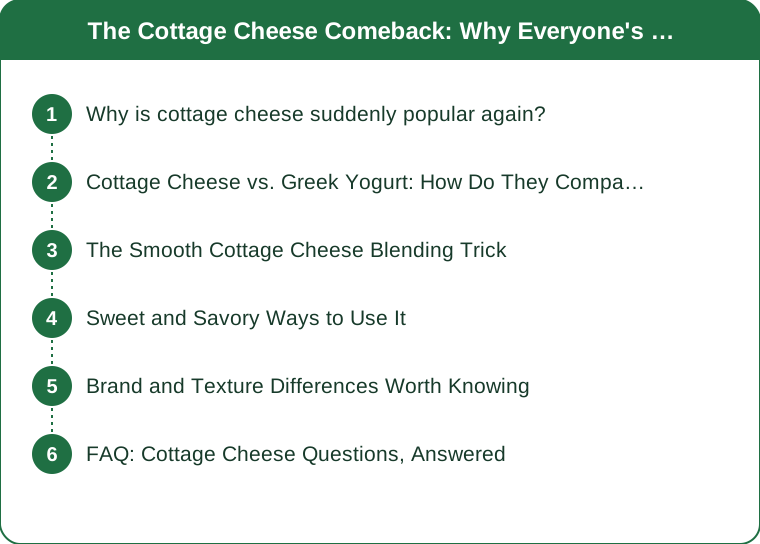
Why is cottage cheese suddenly popular again?
The main driver is protein density — around 25g of protein per cup for roughly 180-220 calories, which is hard to match with most other everyday foods. As high-protein eating became a bigger trend, cottage cheese’s numbers simply stood out.
Cottage Cheese vs. Greek Yogurt: How Do They Compare?
Both are high-protein dairy staples, but cottage cheese generally edges out Greek yogurt slightly on protein-per-calorie, while Greek yogurt wins on smoother texture and easier flavor pairing. Neither is strictly better — they solve slightly different needs depending on whether texture or protein density matters more to you.
The Smooth Cottage Cheese Blending Trick
The texture complaint almost everyone has (the curds, the wateriness) disappears with 30-60 seconds in a blender, turning it into a smooth, thick base similar to a yogurt or cream cheese consistency. This single trick opens up cottage cheese to far more recipes than eating it straight from the container.

Sweet and Savory Ways to Use It
Blended cottage cheese works as a high-protein pasta sauce base (blend with garlic, lemon, and a little pasta water), a protein-boosted ice cream base (blend with frozen fruit and a sweetener), and even folded into baked goods for added protein and moisture without much flavor change.
Brand and Texture Differences Worth Knowing
Not all cottage cheese is the same — small curd vs. large curd, and full-fat vs. low-fat versions all blend and taste differently. If the texture has put you off before, trying a different brand or fat percentage before giving up on it entirely is worth doing, since the variation between brands is bigger than people expect.
FAQ: Cottage Cheese Questions, Answered
Is cottage cheese actually good for weight loss?
It can fit well into a higher-protein, calorie-conscious approach because of its protein-to-calorie ratio, but no single food determines weight loss on its own — overall intake still matters most.
What’s the sodium content like?
Cottage cheese tends to run higher in sodium than many dairy products — checking the label matters more here than with plain yogurt if you’re watching sodium intake specifically.
Can I bake with cottage cheese?
Yes — blended cottage cheese works well folded into pancake batter, muffins, or flatbread dough for added protein with minimal flavor disruption.
TL;DR:
- The comeback is mostly about protein density — about 25g per cup for modest calories
- Blending for 30-60 seconds fixes the texture complaint almost everyone has
- It works in savory (pasta sauce) and sweet (ice cream base) applications, not just plain
- Brands vary a lot — try a different one before writing off the texture entirely
The trend isn’t hype without substance — the protein numbers are genuinely hard to beat.
Keep Reading
This article is for general informational purposes only and is not medical advice. Always consult a qualified health professional for guidance specific to you.